Organic System Plan (OSP)
We draft the OSP in your certifier's format: products, ingredients, suppliers, facility map, production flow, commingling and contamination controls, recordkeeping and labeling.
Organic certification consultant · Miami, FL
We write your Organic System Plan, set up supplier and ingredient verification, and build the SOE-compliant records a USDA-accredited certifier expects to see before and during inspection.
How do you get USDA organic certification? You choose a USDA-accredited certifying agent, submit an application with an Organic System Plan describing how you meet 7 CFR 205, pay the certifier's fees, pass an on-site inspection and resolve any noncompliances. The certifier, not a consultant, grants certification. A consultant prepares the plan, records and team so review goes smoothly.
Juan S. VargasSQF Food Safety Auditor · Exemplar Global
Who it's for
The National Organic Program (NOP) covers every operation that produces, handles or sells products labeled "organic", with limited exemptions. Since the Strengthening Organic Enforcement (SOE) rule took full effect on March 19, 2024, more businesses in the supply chain need their own certificate, including many brokers, traders and importers that were exempt before.
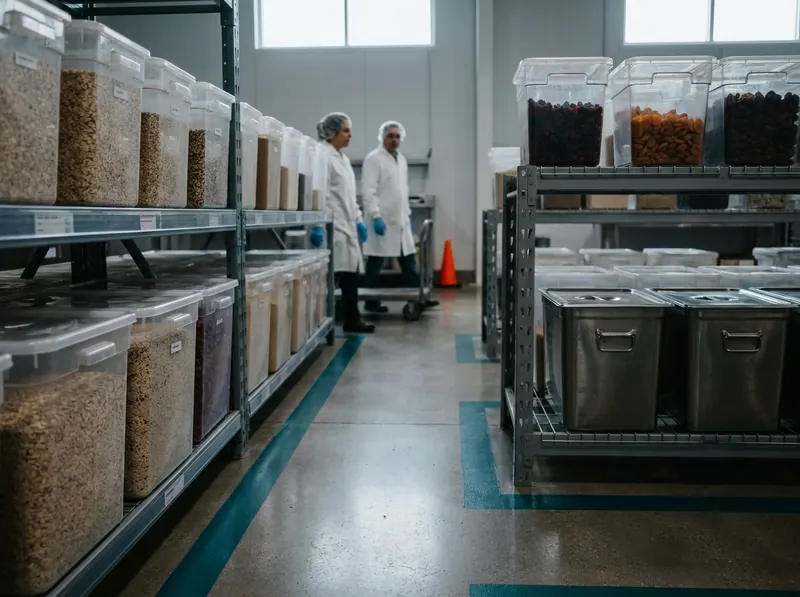
Food manufacturers, co-packers, bakeries, beverage plants and repackers that transform or relabel organic ingredients and must prevent commingling and contamination.
Miami importers bringing organic produce, coffee, cacao, fruit pulp or dry goods from Latin America, who now need certification and NOP Import Certificates for each shipment.
Brand owners that sell organic products made by a co-manufacturer and need to know which parts of the operation must be certified and how to verify their partners.
Consultant or certifier? Organic certification is issued only by USDA-accredited certifying agents. A consultant cannot certify you, and a certifier cannot consult for you. JV Food Safety Consulting works on the preparation side: plan, records, supplier files and training.
The problem
Most delays come from the paperwork trail, not from the product. A certifier has to trace every organic claim back to a certified source and see that the operation can keep organic and nonorganic product apart. When the Organic System Plan is vague or records don't connect, the file goes back and forth for weeks.
An organic inspector follows the product backward: from the label to the batch, from the batch to the ingredient, from the ingredient to a valid certificate.
What's included
We draft the OSP in your certifier's format: products, ingredients, suppliers, facility map, production flow, commingling and contamination controls, recordkeeping and labeling.
A supplier file with valid organic certificates checked against the USDA Organic Integrity Database, plus a review of non-organic ingredients allowed in multi-ingredient products.
A written organic fraud prevention plan with supplier risk assessment, verification steps and a response procedure when something doesn't add up.
Lot coding, receiving and production records that let you run a trace and a mass balance for any organic product, the exercise inspectors ask for.
Review of cleaners, sanitizers, pest control practices and processing aids against the National List, with rinse or barrier steps where needed.
Label review for organic claims and seal use, and a workflow for NOP Import Certificates on organic shipments entering the U.S.
The standard
The NOP regulations are in 7 CFR 205. Certification follows the same basic path for every operation type; what changes is the content of the Organic System Plan. Time frames depend heavily on the certifier's workload and how complete your application is, so treat the durations below as qualitative guidance, not a promise.
| Step | Who does it | What happens | Typical duration |
|---|---|---|---|
| 1. Readiness review | Your team + consultant | Scope products, sites and activities; confirm which operations need certification | Short: days, not months |
| 2. Choose a certifier | You | Select a USDA-accredited certifying agent that covers your scope | Depends on your comparison of fees and service |
| 3. Build the OSP & records | Consultant with your team | OSP, supplier file, fraud prevention plan, traceability and label review | Weeks, depending on product count |
| 4. Application review | Certifier | Certifier reviews the OSP and asks for clarifications | Set by the certifier's queue |
| 5. On-site inspection | Certifier's inspector | Facility walk, record review, trace and mass balance exercise | Usually one visit per site |
| 6. Final review & decision | Certifier | Certification granted, or noncompliances issued to resolve first | Set by the certifier |
| 7. Annual update | You + certifier | Updated OSP and a new inspection every year | Ongoing |
Growing crops? Land must be free of prohibited substances for 36 months before the harvest of an organic crop. That transition period cannot be shortened by paperwork, so start the records early.
The Strengthening Organic Enforcement rule closed gaps that allowed fraud in long supply chains. For operations in South Florida, three changes matter most:
| Operation | Main OSP focus | Common inspection focus |
|---|---|---|
| Processor / manufacturer | Formulas, ingredient sources, production and cleaning between organic and conventional runs | Commingling prevention, sanitizer use, mass balance, labels |
| Handler / warehouse | Receiving, storage, segregation, repacking | Identification of organic lots, pest control, packaging |
| Importer / trader | Supplier certificates, shipment documents, fraud risk | NOP Import Certificates, supplier verification, traceability of each shipment |
How we work
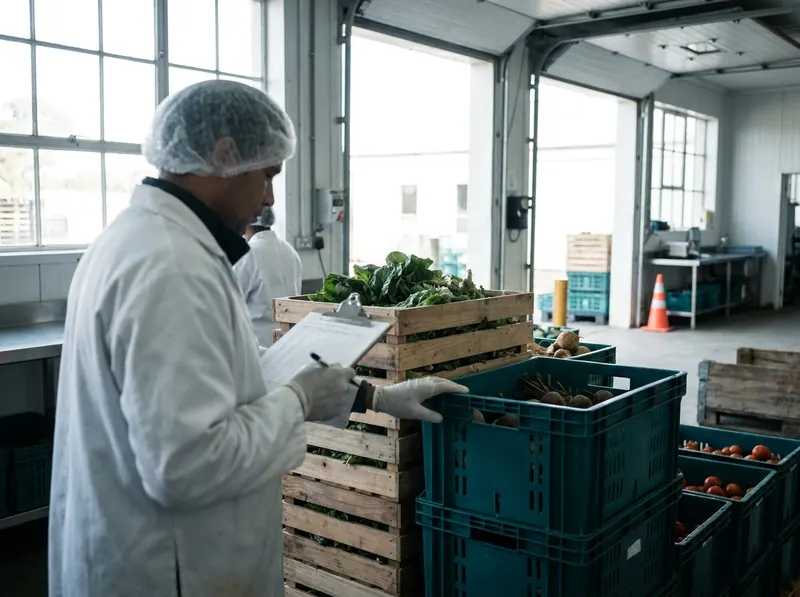
We review products, suppliers, labels and current records, walk the facility and confirm which activities and sites fall under certification.
You receive: gap report, certification scope and a prioritized action list.
We write the Organic System Plan and fraud prevention plan, set up supplier and traceability records, and train receiving, production and sales staff in English and Spanish.
You receive: OSP draft, supplier file, record forms, training records.
We run a trace and mass balance exercise the way an inspector would, help you answer certifier questions and support closure of any noncompliances.
You receive: mock inspection report, response support, annual update calendar.
South Florida
Miami sits at the center of organic trade with Latin America. Importers in Doral and Medley receive organic fruit, coffee, cacao, spices and frozen pulp; co-packers in Hialeah and Broward turn them into snacks, beverages and sauces for natural retail. That supply chain is exactly where the SOE rule concentrated its new requirements.
We work on-site in South Florida and support Latin American suppliers remotely or on-site by project, so the certificate on your side and the documents on theirs line up. Many clients combine organic with a food safety standard: see our SQF consulting and FSMA and FSVP compliance services, or add kosher and vegan certification preparation for the same product line.
Results
CASE 01 · ORGANIC SNACK BRAND
Co-manufactured · South Florida
16 weeks
Illustrative engagement · real client data pending authorization
FAQ
There are two separate costs. The certifier charges its own application, inspection and annual fees, which vary by certifier and operation size. Consulting is optional and depends on the number of products, suppliers and sites. We quote a fixed scope after a 30-minute gap call.
No. Only a USDA-accredited certifying agent can grant organic certification. A consultant prepares your Organic System Plan, records and staff. Certifiers are also not allowed to give you consulting advice, which is why many operations use both.
In most cases, yes. The SOE rule removed many exemptions for businesses that buy, sell or import organic products, and organic shipments entering the U.S. need an NOP Import Certificate. Check your specific situation with your certifier; we help you prepare the documentation.
The Organic System Plan is the written description of how your operation complies with the NOP regulations: what you produce or handle, where inputs come from, how you prevent commingling and contamination, which records you keep and how you monitor compliance. Your certifier approves it and inspects against it every year.
Yes, a split operation is allowed if you prevent commingling and contamination. That usually means scheduling, documented cleaning between runs, clear lot identification and records that prove it happened. The OSP must describe these controls.
Free gap call
In 30 minutes we review your standard, your date and your most likely gaps, and tell you honestly whether you need us.
Juan S. VargasSQF Food Safety Auditor · PCQI
Request a gap call or a quote
Takes under a minute. Juan reviews every request personally.